
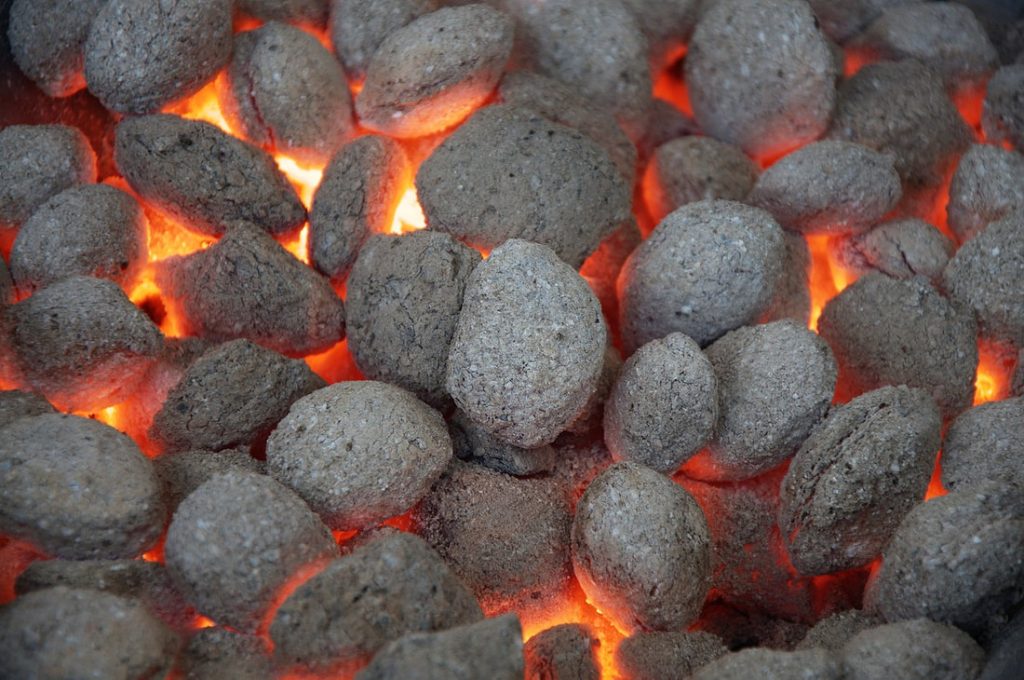
The demand for clean and efficient energy is growing as communities seek alternatives to fossil fuels. Coconut charcoal briquettes, especially the coconut shell charcoal briquette, offer a sustainable solution. Understanding the benefits of using coconut charcoal briquettes shows why they are popular for households, commercial, and industrial use.
Introduction to Coconut Charcoal Briquettes
As a by-product of coconut production, coconut shells are frequently discarded. By transforming these shells into charcoal briquettes, industries can create a renewable, eco-friendly fuel. Coconut charcoal briquettes are valued for their long burn time, high heat output, and low smoke emissions, making them a cleaner alternative to traditional fuels like coal or firewood.
Key Benefits of Using Coconut Charcoal Briquettes
1. Eco-Friendly Energy Source
One of the primary benefits of using coconut charcoal briquettes is their positive impact on the environment. Unlike fossil fuels, these briquettes are carbon-neutral. The carbon dioxide released during burning is approximately equal to the amount absorbed by the coconut plants during growth. Using coconut charcoal briquettes reduces deforestation by decreasing the need for firewood, preserves natural habitats, and helps mitigate greenhouse gas emissions.
2. Efficient and Long-Lasting
Coconut charcoal briquettes burn hotter and longer than regular wood or charcoal due to their density and carbon-rich composition. This high energy content ensures consistent heat, making them suitable for both domestic cooking and industrial applications. Their long burn time also reduces the frequency of refueling, saving time and effort for users.
3. Low Smoke and Clean Combustion
Another advantage is the low smoke output. These briquettes generate little smoke and ash compared to standard wood or charcoal. This cleaner combustion improves indoor air quality, making them safer for household kitchens, and reduces air pollution in urban and rural areas.
4. Cost-Effective and Accessible
Coconut charcoal briquettes are typically produced nearby, cutting both production and transport costs. They provide an affordable alternative to firewood or coal, especially in regions where traditional fuels are expensive or scarce. This accessibility helps households and small businesses secure a reliable and economical energy source.
5. Waste Management
Using coconut shells to make charcoal briquettes reduces waste management challenges. Shells that would otherwise be discarded are converted into a valuable energy resource, reducing environmental pollution and promoting sustainable practices within the coconut industry.
6. Versatility
Coconut charcoal briquettes are highly versatile. They can be used for domestic cooking, commercial grilling in restaurants or barbecue businesses, and industrial heating applications. They are also suitable for renewable energy generation in biomass power plants, making them a multi-purpose fuel.
Applications
-
Households: Cooking fuel with minimal smoke.
-
Commercial: Used in restaurants, cafés, and barbecue grills.
-
Industrial: Heating kilns, boilers, and processing equipment.
-
Energy Production: Biomass power plants use them to generate electricity.
Conclusion
In conclusion, the benefits of using coconut charcoal briquettes are numerous, ranging from environmental protection and efficient energy use to cost savings and waste management. By converting coconut shells into a clean and high-performance fuel, communities, industries, and businesses gain access to a sustainable energy solution that is practical, eco-friendly, and economically viable. As awareness of renewable energy grows, coconut charcoal briquettes offer a responsible and reliable alternative to traditional fuels, supporting a cleaner and greener future.