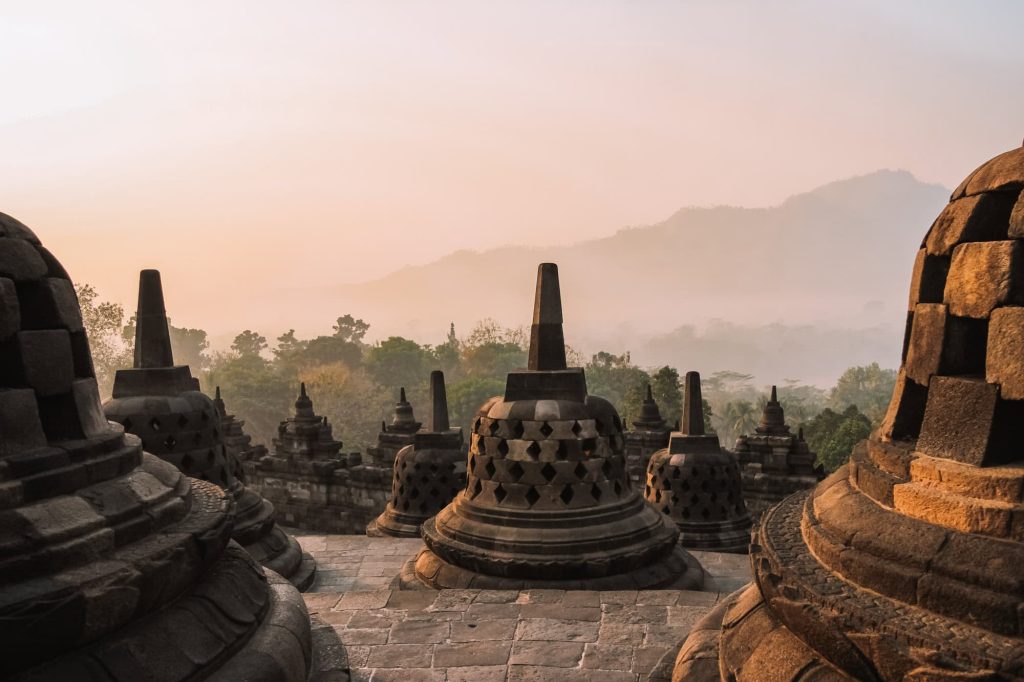

Borobudur Dry Season Travel offers a comfortable way to explore one of Central Java’s most important landmarks. Drier days can make temple walks, village stops, and scenic drives easier. They also give you a better chance to enjoy wide views around the monument. Good planning still matters, especially during popular travel periods.
Borobudur sits about 40 kilometers northwest of Yogyakarta. Most travelers start from a hotel in the city and reach the temple in 60 to 90 minutes. The route crosses rice fields, local villages, and peaceful countryside. An early departure makes the journey more enjoyable.
Sailendra rulers built Borobudur during the ninth century. Its terraces feature Buddhist reliefs, stone stupas, and many Buddha statues. The monument rewards travelers who explore slowly. Comfortable dry-season conditions can make that slower pace easier.
Understand Dry Season Advantages
April through October often brings lower rainfall to Central Java. These months can suit outdoor sightseeing and longer travel days. Clearer conditions may improve views of the hills and surrounding landscapes. However, the midday sun can feel intense.
Dry weather often attracts more visitors. Weekends, school holidays, and public holidays can feel especially busy. Choose a weekday when possible. An early entry time can also reduce the impact of crowds.
Read this Borobudur dry season timing guide before confirming your date. It offers useful context about weather, crowds, sunrise, and entry planning. Check the short-term forecast before departure. Even dry months can bring clouds or light rain.
Plan a Smart Temple Visit
Reserve access before you organize transport. Ground entry and upper-level access may offer different choices. Some sessions may have a visitor limit. Confirm the time that best supports your itinerary.
Morning visits offer cooler air and gentler light. They also leave time for a relaxed lunch or another attraction. Bring water and take breaks while you explore. Sun exposure can drain energy faster than expected.
A guide can add helpful insight to your visit. Ask about the relief panels, temple design, and Buddhist symbolism. Their explanations can turn small details into a richer story. This support works well for first-time travelers.
Add Scenic Stops to Your Day
Dry-season travel makes it easier to extend your route. Add Mendut Temple and Pawon Temple for historical context. A village visit can introduce local crafts, food, and everyday life. Choose stops that match your preferred pace.
You can also combine Borobudur with Prambanan Temple or Mount Merapi. A full-day route works best when you limit the number of major attractions. Give each place enough attention. A quiet countryside break can be just as rewarding.
Stay Comfortable in the Sun
Wear breathable clothing, supportive shoes, and a hat. Use sunscreen before you enter the complex. Bring sunglasses and enough drinking water. A compact rain jacket remains useful for unexpected weather.
Follow staff directions and respect the temple grounds. Stay on open pathways and avoid restricted areas. Do not touch the reliefs or climb on stone structures. Mindful travel helps protect this historic place.
Explore dry-season Borobudur travel options if you want help with transport, ticket support, and nearby destinations. A local operator can help you use the daylight well. You can focus on the temple and the scenery.
Borobudur Dry Season Travel can offer clear views and comfortable exploration. Start early, prepare for sun, and choose a balanced route. With thoughtful timing, you can enjoy an exceptional Central Java day.