
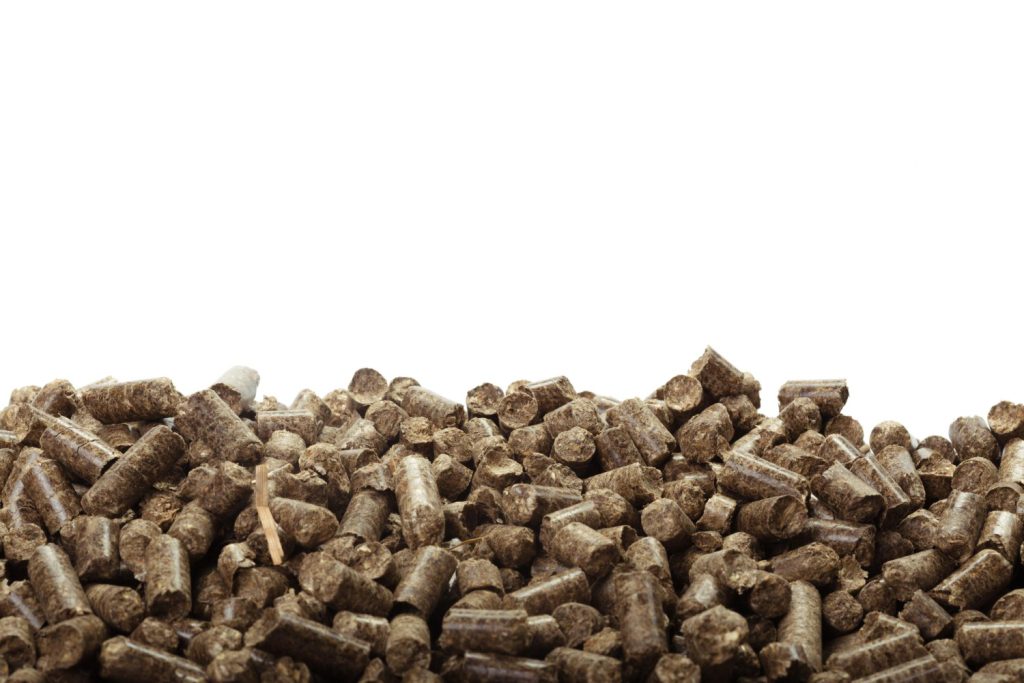
In recent years, biomass briquettes for heating have gained recognition as one of the most reliable alternatives to conventional fossil fuels. Produced from organic waste such as agricultural residues, wood chips, sawdust, rice husks, and coconut shells, these materials are compressed into solid blocks that are easy to handle and use. The process not only transforms waste into a valuable product but also provides a renewable and eco-friendly energy source.
Serving as a cost-effective solution, biomass briquettes are widely applied in residential, industrial, and commercial heating. With growing concerns about climate change and rising energy costs, their role becomes increasingly important. By offering a clean and sustainable option, briquettes help reduce dependency on non-renewable resources while supporting environmental conservation.
The Benefits of Biomass Briquettes
One of the greatest advantages of biomass briquettes is their ability to reduce carbon emissions. Since they are made from natural and biodegradable materials, the carbon dioxide released during combustion is largely offset by the carbon absorbed by the plants during their growth cycle. This makes them a carbon-neutral fuel, unlike coal or oil.
Another benefit is the cost-effectiveness of production. Briquettes can be made from waste products that would otherwise be discarded, turning agricultural by-products into valuable energy resources. This not only minimizes waste but also provides additional income opportunities for rural communities engaged in agriculture and forestry.
Biomass briquettes are also convenient to use. Their uniform shape, size, and density make them easy to store, transport, and burn. Compared to loose biomass, briquettes have a higher calorific value and longer burning time, ensuring consistent heat for cooking, heating, or industrial processes.
Applications of Biomass Briquettes
Biomass briquettes are widely used in households for cooking and space heating, especially in regions where traditional fuels like firewood are scarce or expensive. In industries, they replace coal or furnace oil in boilers, kilns, and dryers. For restaurants, bakeries, and food processing units, briquettes provide a cleaner and more economical energy source.
Furthermore, briquettes are highly adaptable across different sectors. In countries with colder climates, they are an excellent heating solution for homes and greenhouses. In developing regions, they offer an affordable and sustainable alternative to firewood, reducing deforestation and indoor air pollution caused by traditional cooking methods.
Environmental Impact
The production and use of biomass briquettes play a significant role in protecting the environment. One of the key benefits is their ability to reduce dependence on fossil fuels, which are among the largest sources of greenhouse gas emissions. By replacing coal, oil, or gas with briquettes, both households and industries can minimize their carbon footprint and contribute to cleaner air.
In addition, biomass briquettes support better waste management by making use of agricultural residues and organic materials that might otherwise be burned or left to rot. This process not only reduces pollution but also provides a practical way to recycle waste. Moreover, the use of briquettes helps decrease the demand for firewood, which in turn slows down deforestation and preserves valuable forest ecosystems.
Conclusion
As the demand for sustainable energy solutions grows, biomass briquettes for heating have become a standout choice due to their eco-friendly, renewable, and cost-effective nature. They offer an efficient way to lower carbon emissions while simultaneously encouraging waste recycling and greater energy efficiency. This makes them a practical option for those seeking reliable and environmentally responsible heating methods.
For households, businesses, and industries, briquettes provide steady and dependable heat while helping to protect the environment. Beyond biomass briquettes, alternatives such as coconut shell charcoal briquette also play an important role in shaping a cleaner, greener, and more sustainable energy future.