
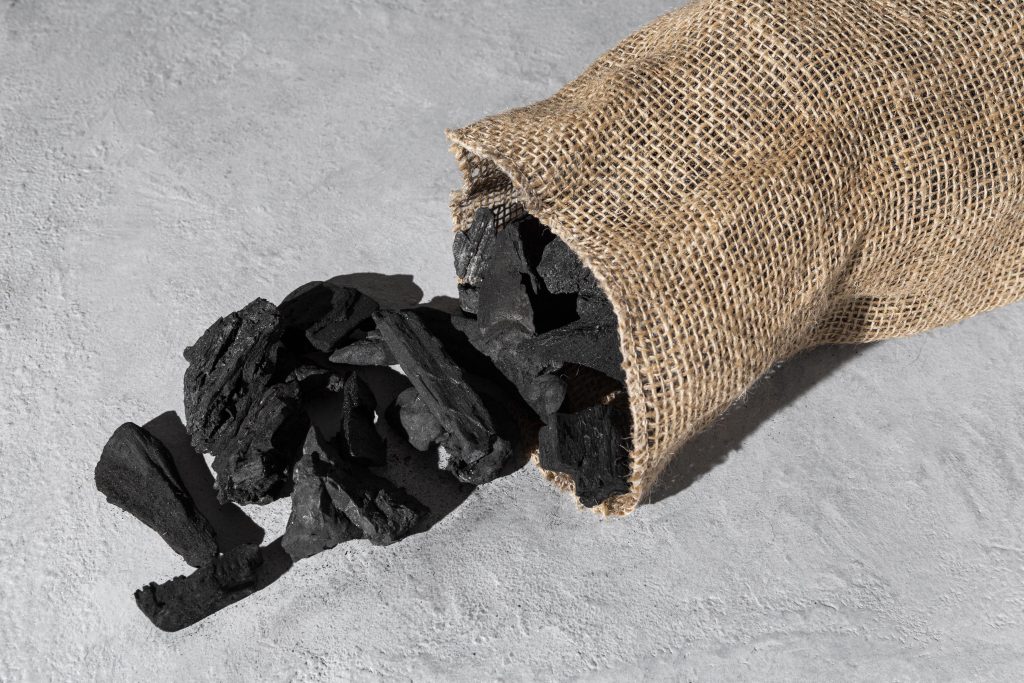
Briquette making from agricultural waste has emerged as a promising approach to address two major global challenges: waste management and sustainable energy production. Agricultural residues, such as rice husks, coconut shells, sugarcane bagasse, and corn stalks, often accumulate in large quantities, creating disposal problems and environmental hazards. Instead of burning these residues openly, which contributes to air pollution and greenhouse gas emissions, they can be transformed into solid biofuels—briquettes—that provide an efficient and eco-friendly energy source.
Understanding the Briquette Making Process
The process of briquette production involves several key steps, starting with the collection and preparation of agricultural waste. The raw material must first be cleaned and dried to reduce moisture content, which is critical for achieving high combustion efficiency. Once dried, the materials are often ground into smaller particles to facilitate uniform compaction.
Binding agents, such as starch, molasses, or natural gums, are added to ensure that the briquettes hold their shape and do not crumble during handling. The mixture is then compressed using either manual or mechanical presses. Manual presses are suitable for small-scale production, while hydraulic and screw presses cater to industrial-scale operations. The final product is a solid, dense briquette that burns longer and produces more heat than raw agricultural waste, making it a valuable fuel for households and industries alike.
Benefits of Briquette Making from Agricultural Waste
The advantages of briquette making from agricultural waste extend beyond energy production. Firstly, it helps reduce the environmental footprint of agriculture by turning residues that would otherwise contribute to pollution into a useful resource. This not only decreases open-air burning but also mitigates soil and water contamination caused by decomposing waste.
Secondly, briquettes offer a cost-effective alternative to conventional fuels like coal, wood, and kerosene. Because they are made from readily available agricultural by-products, production costs are relatively low, allowing communities—especially in rural areas—to access affordable energy. Additionally, the consistent size and density of briquettes ensure a stable and predictable combustion rate, which is highly desirable for cooking, heating, and small-scale industrial applications.
Another critical benefit lies in economic empowerment. Briquette production can create jobs in rural communities, ranging from raw material collection to manufacturing and distribution. Small enterprises can thrive by supplying local markets with affordable, clean-burning fuels, contributing to both energy security and local economic development.
Innovations in Briquette Making
Technological advancements have made briquette making from agricultural waste more efficient and versatile. Modern presses allow for the production of briquettes in various shapes and sizes, including cylindrical, pillow, and hexagonal forms, which can optimize packing and burning characteristics. Moreover, combining different types of agricultural residues can enhance the energy density and combustion performance of the briquettes.
Research has also explored the use of agricultural waste briquettes in co-firing systems with coal, providing a transitional strategy for industries to reduce fossil fuel dependence without major infrastructural changes. In addition, the development of organic binders derived from plant-based materials ensures that the briquette production process remains environmentally friendly, avoiding the use of synthetic chemicals.
Coconut Shell Charcoal Briquette: A Specific Example
Coconut shell charcoal briquette is an exemplary product of agricultural waste utilization. Coconut shells, which are often discarded after coconut processing, are highly dense and rich in carbon, making them ideal for producing high-quality charcoal briquettes. These briquettes offer long burn times, high calorific value, and low smoke emission, making them suitable for both domestic cooking and industrial applications. Furthermore, by converting coconut shells into charcoal briquettes, producers reduce waste accumulation and promote circular economy practices within the coconut industry.
Future Prospects and Sustainability
As the global demand for renewable energy sources grows, briquette making from agricultural waste is poised to play a significant role in sustainable energy strategies. Governments and NGOs are increasingly supporting initiatives that promote biomass briquette production, offering subsidies, technical training, and market development assistance. Such support encourages small and medium enterprises to scale up production, improve quality standards, and reach wider markets.
By integrating briquette production into agricultural supply chains, countries can achieve multiple goals: reducing environmental pollution, creating rural employment, and providing affordable, clean energy. Moreover, the consistent use of briquettes as a fuel source helps mitigate deforestation and the overexploitation of traditional wood resources, contributing to long-term environmental sustainability.
In conclusion, coconut shell charcoal briquette exemplifies the transformative potential of agricultural waste into valuable energy resources. With ongoing innovations, community engagement, and supportive policies, briquette making from agricultural waste will continue to be a cornerstone of sustainable energy development worldwide.