
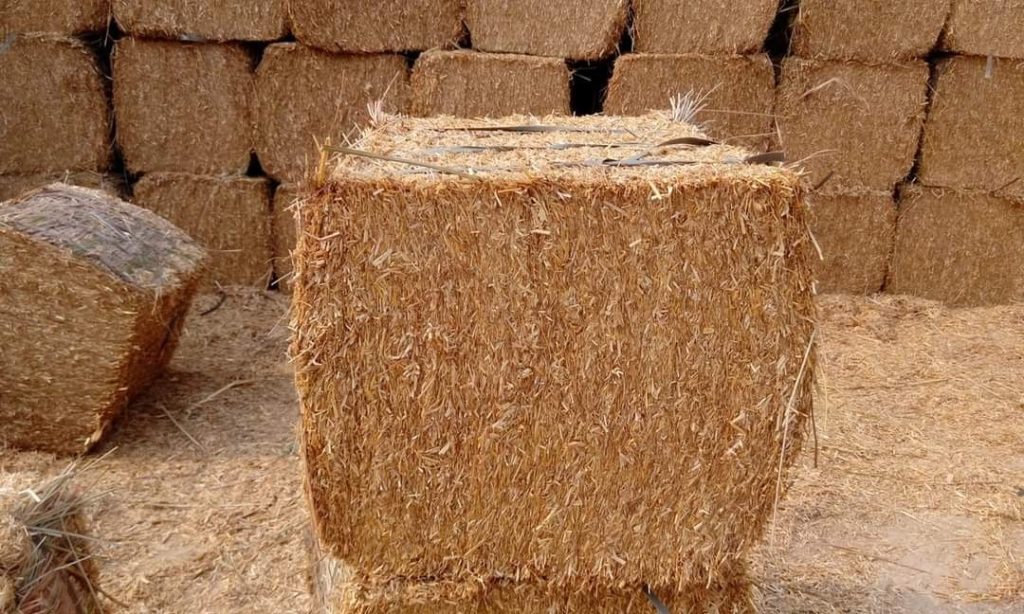
In the pursuit of clean and renewable energy sources, sustainable rice husk briquettes have emerged as a promising solution. Rice husk, a byproduct of rice milling, is often considered agricultural waste. However, with the right technology, this abundant resource can be transformed into efficient, eco-friendly fuel in the form of briquettes.
These briquettes not only provide a sustainable alternative to fossil fuels but also help address environmental challenges associated with waste management. For more detailed information about rice husk charcoal briquettes and their benefits, you can visit Rice Husk Charcoal Briquettes.
What Are Rice Husk Briquettes?
Rice husk briquettes are compressed blocks made from rice husk that has been dried and compacted using specialized machinery. This process increases the energy density of the husk, making it an effective and convenient solid fuel.
Unlike raw rice husk, which burns quickly and produces significant smoke, briquettes burn longer and cleaner. When produced sustainably, these briquettes become an important renewable energy source.
Why Sustainable Rice Husk Briquettes?
The term “sustainable” emphasizes environmentally friendly production and usage methods. Sustainable rice husk briquettes are produced using processes that minimize waste, reduce emissions, and avoid harmful chemicals. This approach ensures that the energy source remains renewable and does not negatively impact the environment.
Some key advantages of sustainable rice husk briquettes include:
1. Renewable Energy Source
Rice husk is a biomass residue that renews annually with every rice harvest. Using it as fuel reduces reliance on finite fossil fuels and promotes a circular economy.
2. Reduced Environmental Impact
Burning rice husks directly or disposing of them improperly can lead to air pollution and greenhouse gas emissions. Briquetting rice husks results in cleaner combustion and lower emissions, contributing to better air quality.
3. Waste Valorization
Transforming rice husks into briquettes adds value to agricultural waste, reducing landfill use and promoting responsible waste management.
4. Cost-Effectiveness
Rice husk briquettes offer an affordable energy option for rural and urban communities, particularly in developing countries where rice is a staple crop.
Production Process of Sustainable Rice Husk Briquettes
Producing sustainable rice husk briquettes involves several critical steps:
-
Collection and Preparation: Rice husks are gathered from rice mills and dried to optimal moisture content, typically below 15%, to ensure efficient combustion.
-
Compaction: The dried husks are compressed under high pressure into briquettes without the need for chemical binders, often using mechanical presses or hydraulic machines.
-
Cooling and Packaging: After shaping, the briquettes are cooled and packaged for distribution and use.
The absence of chemical additives in the production process ensures that the briquettes remain environmentally friendly and suitable for domestic and industrial applications.
Applications and Benefits
Sustainable rice husk briquettes have diverse applications. They are widely used in cooking, heating, and industrial processes such as brick kilns and boilers. Their high calorific value and slow-burning characteristics make them an efficient fuel choice.
By switching to rice husk briquettes, communities can reduce deforestation caused by wood fuel consumption, lower carbon footprints, and support sustainable agricultural practices.
Challenges and Future Outlook
Challenges like production scale and market acceptance remain for sustainable rice husk briquettes. Support and innovation are crucial for wider use. Their future is bright as they aid renewable energy and sustainability goals.
Conclusion
Sustainable rice husk briquettes as renewable energy represent an innovative and eco-friendly way to harness agricultural waste. By converting rice husks into clean fuel, we can reduce pollution, save natural resources, and support rural economies.
Embracing this sustainable energy solution contributes significantly to building a greener and more sustainable future for all. For more information on sustainable energy solutions, visit Jacoid.